Guide to Dark Leafy Greens and How to Use Them
Dark leafy greens are a much neglected category of vegetables because they can be bitter and most people don’t know how to cook them. They contain so many beneficial nutrients like antioxidants, healthy fiber, anti-cancer compounds, amino acids, phytochemicals, the list just goes on and on. And there are so many different kinds of leafy vegetables that you might not have heard about, because our local grocery stores tend to carry what most people eat.
If you think about the last leafy vegetable you ate, it might have been spinach or kale. Maybe you even had some collard greens with your BBQ or some swiss chard. This is just barely scratching the surface.
So I put this post together to talk about all the different kinds of leafy greens there are and how to cook them, so they can hopefully get onto your plate more often.
Health Benefits from Leafy Greens
Fiber - helps to support our digestive tract and produce beneficial bacteria
Polyphenols - this is why leafy greens are bitter and dark green. The darker the plant, the higher the polyphenol concentration. Polyphenols reduce inflammation feeds our good gut bacteria and acts in synergy with the fibers and vitamins in the plants.
Chlorophyll - Also comes from the dark green color, aids our body’s natural detoxification processes
B vitamins - boost our energy levels and help us manage stress
Minerals - contains much needed iron, magnesium, calcium, potassium and zinc, all minerals our cells need to function
Certain dark leafy greens, like dandelion or mustard, have bitter compounds that stimulate digestion
Cooked vs Raw
I’ve put leafy green vegetables into 2 categories below. This is a general guideline for how that vegetable will taste best, and be more digestible. There are plenty of people that eat dandelion and mustard greens raw. So you can decide what’s best for you.
If a vegetable is more fibrous or bitter, then steaming, blanching or a light saute will make them taste better.
These greens improve when cooked:
Collard Greens
Kale
Swiss Chard
Dandelion Greens
Mustard Greens
Beet Greens
These greens can be eaten raw
Lettuces
Arugula
Spinach
Watercress
Mizuna
Sorrel
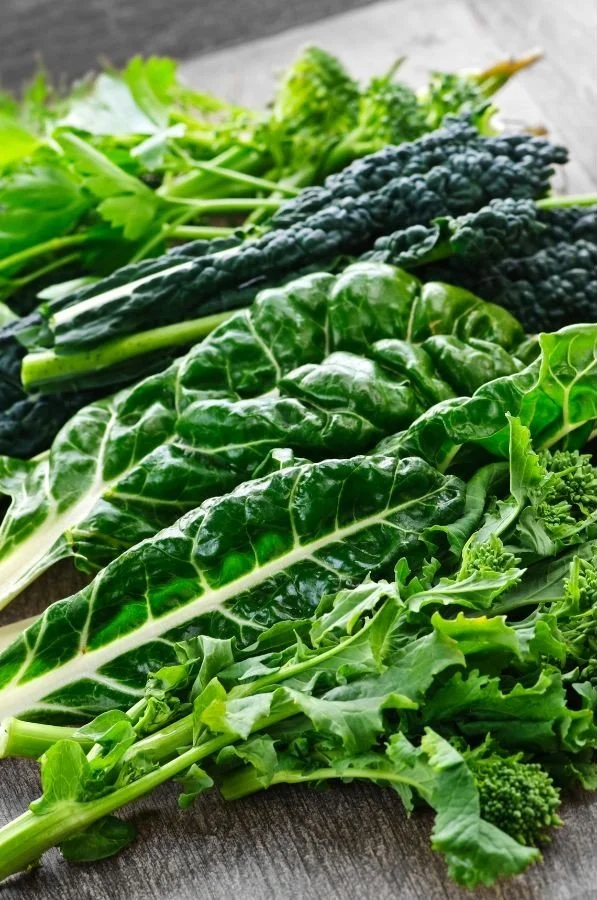
Kale is ok raw, when you massage it
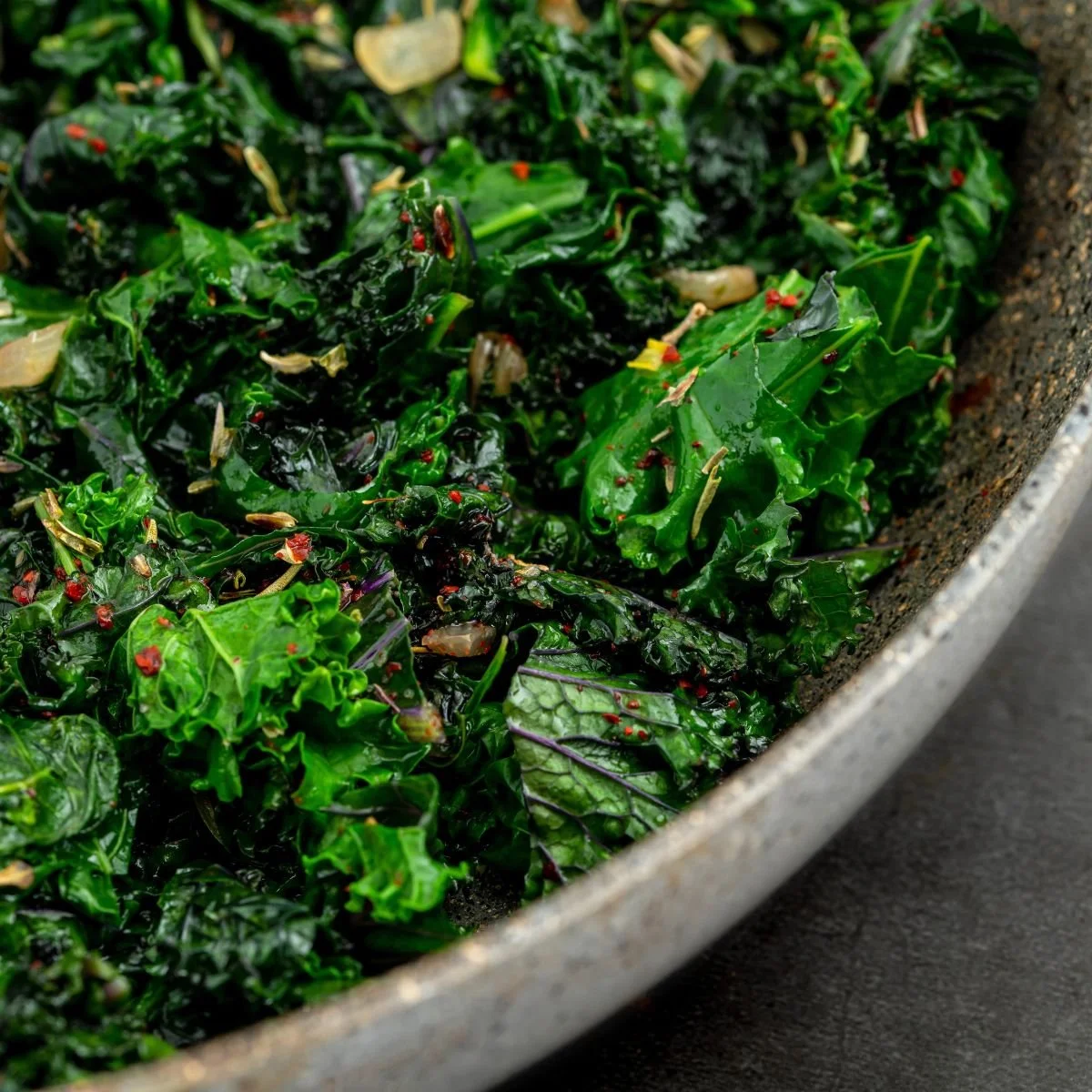
There is an exception with kale. It can be eaten raw, but most people do not enjoying chewing a bunch of raw kale, plus it can be hard to digest. Raw kale gets better when it is massaged with a little oil and salt. This breaks down the fibers making it easier to chew and it also improves the taste. Once its been massaged with oil, it is ready for your favorite salad toppings.
Here’s how to massage kale
Wash 1 bunch of kale under cold water and pat dry
De rib the kale by removing the leaves from the hard stem. Discard the stems.
Tear kale into small pieces and place in a glass bowl.
Drizzle 2 teaspoons of olive oil over the kale and a light sprinkle of salt.
Lightly massage the kale with your hands, rubbing the olive oil into the leaves. The color will darken, and they will feel soft under your fingers when done. Keep going until you have touched all of the kale. The oil on your hands will eventually make it to all the kale, but add another drizzle if the leaves aren’t softening after midway through the bowl.
If you want to see step by step pictures, here is a post all about how to massage kale.
Here is my favorite massaged kale salad from Zenbelly
Guide to Dark Leafy Greens
Spinach - mild taste, its a great beginner green in that just about everyone doesn’t mind it. Can be eaten raw or cooked, and is great in smoothies because of it’s mild taste.
Swiss Chard - mild taste especially when in season, crunchy. Taste is close to spinach. One of my favorite leafy greens when its been lightly blanched. Goes great in soups, in scrambled eggs and sauteed with bacon.
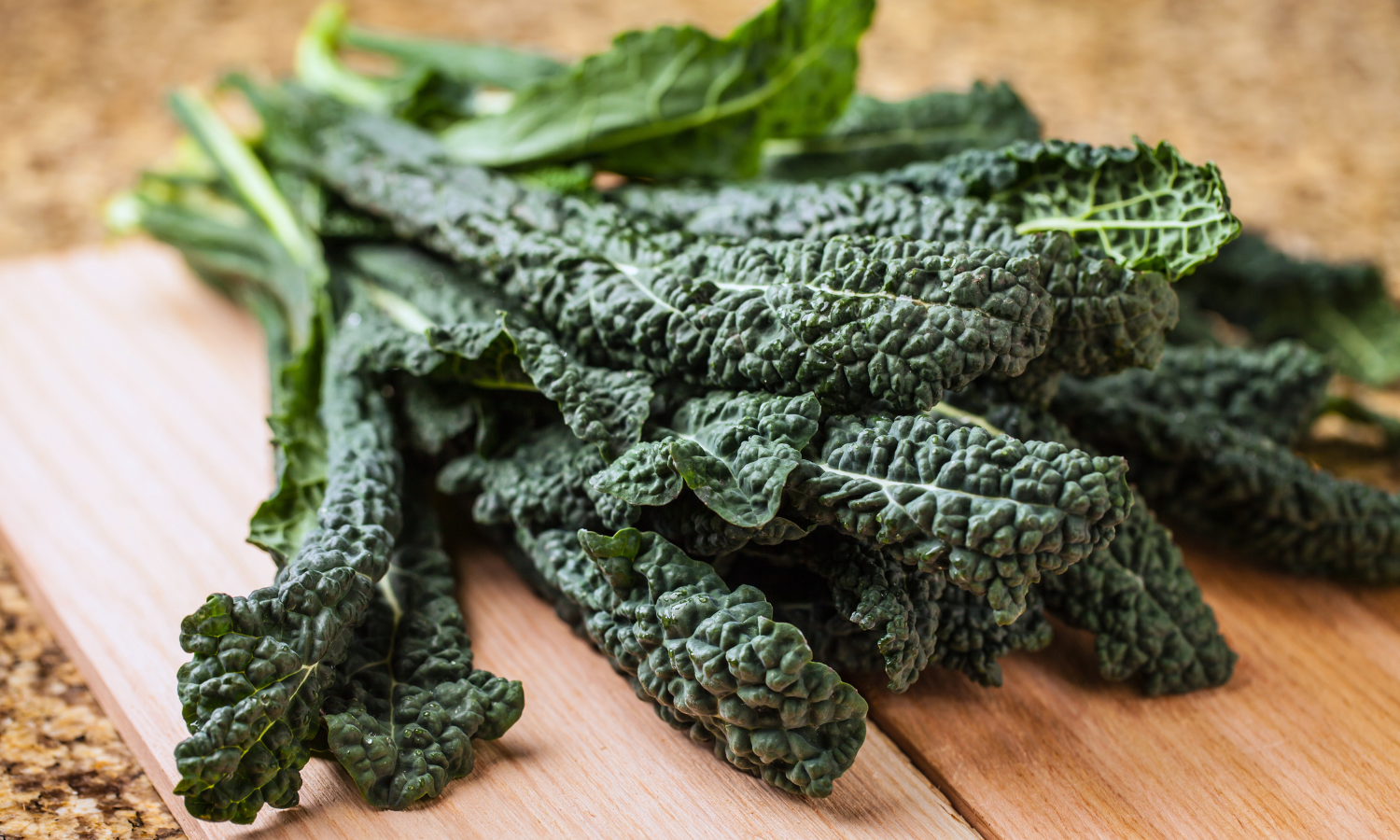
Kale - moderately bitter, fibrous. This “super-food” exploded in the health food scene and many of us may have gotten tired it. Especially when it shows up raw in a salad and hasn’t been massaged like suggested above. There are two kinds, curly kale and Tuscan or “dino” kale. The Tuscan kale is darker green, longer thinner leaves and slightly more mild than the curly.
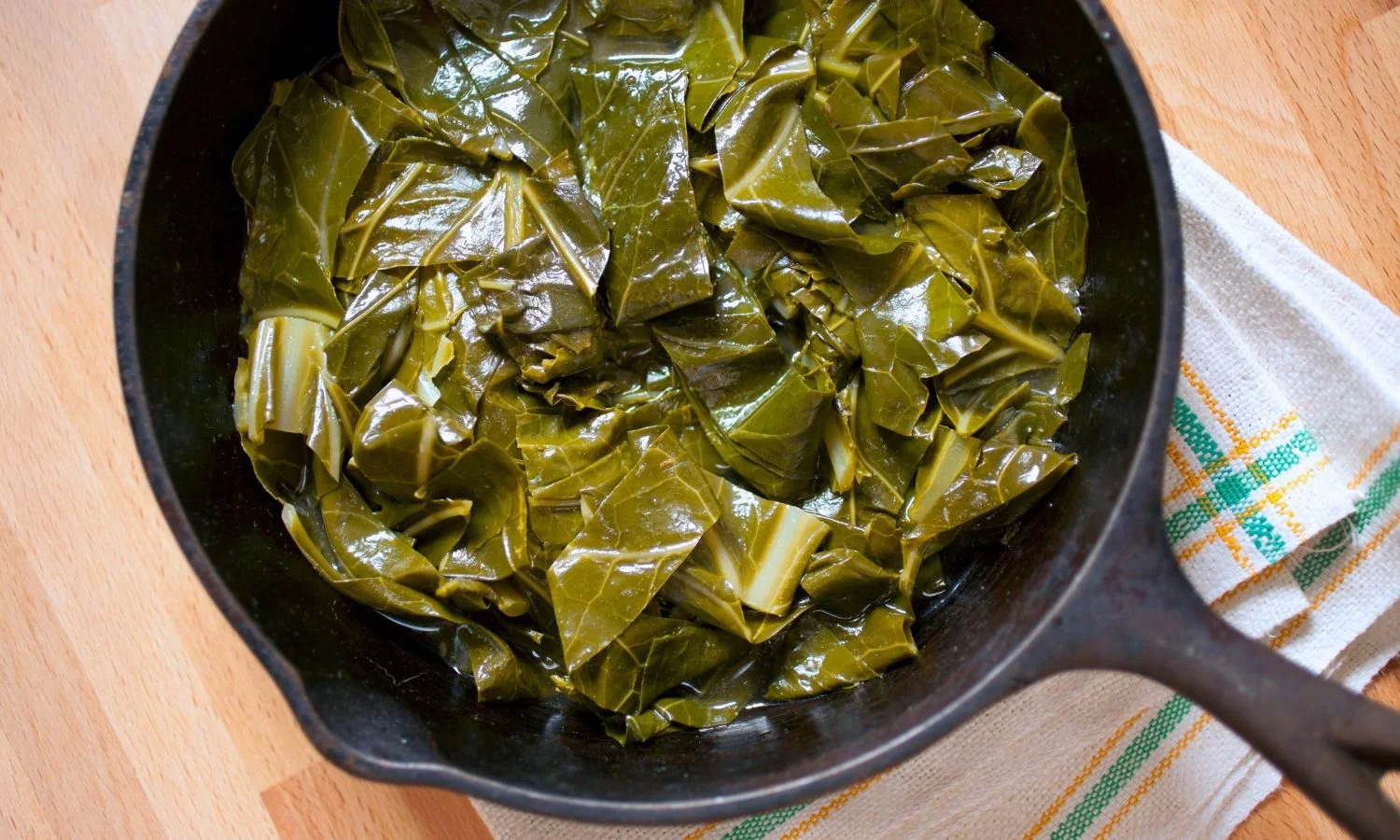
Collard Greens - tough, moderately bitter, needs longer cooking. Large flat leaves. This is a fantastic green that many of us miss out on because we don’t come from the South. Takes on the flavor of what you cook it with like onions, garlic, ham hock or smoked turkey. Makes a great gluten free wrap instead of a tortilla when it’s been blanched.
Dandelion Greens - very bitter and peppery. Better when lightly steamed or blanched or sauteed with olive oil and garlic. Vinegar, lemon, and bacon help to lessen the intense flavor.
Mustard Greens - very peppery, spicy. The spicy flavor does lessen when cooked, but these are the strongest flavored green out of them all. They are great in moderation if you aren’t used to their intense flavor, and a little added to a stir fry will do wonders for the dish and your digestion.
Beet Greens - slightly bitter, earthy. You might notice these greens still attached to the beets in the produce section. These are really tasty when fresh and not wilted. You can blanch them and add them to soups, or a smoothie.
Arugula - also known as Italian cress, peppery. Makes a great salad, pesto, or lightly wilted in a pasta dish
How to Cook Leafy Green Vegetables
We all know that green leafy vegetables are good for us and that we should be eating them more, so let’s cover how to make them taste better. Here are the 3 cooking methods to try:
Blanch - This is the method I use most often for bitter leafy greens. It means to lightly boil your vegetables, but only a short time to soften and not fully cook.
works great for kale, swiss chard, collard greens, beet greens
Here is my post about how to blanch broccoli
Saute - To heat with a small amount of olive oil, then add some chopped garlic or shallots, until just wilted. These all help to reduce the bitterness of the greens:
Saute with some fat and a little sausage or bacon
Saute with onions and garlic
Saute with fruit or nuts, like cranberries and pine nuts
Splash with a little vinegar or lemon juice before serving
Long Cooking - Braising (think southern collard greens)
Cook the leafy green with a little stock in a covered pot, breaks down the tough fibers, reduces bitterness and add more flavor into the green.
Check out Kickin’ Collard Greens from allrecipes.com
How to Start Eating More Leafy Greens Today
My suggestion for when you encounter a really bitter green that you are not ready to eat just sauteed:
Blanch for a few minutes in boiling water - this helps to remove the bitterness and soften the greens
Then drain and remove excess water
Then saute’ your green with bacon, shallots or garlic to add some fattiness and flavor
Many recipes just have you chopping the greens and adding them to the frying pan with a little bacon and fat. If those greens are REALLY bitter and tough, that is not enough to help make those greens taste good. So, blanching in a little hot water for 30 seconds to 1 minute can really help.
And you will slowly build up your tolerance to their bitterness. Bitter foods are fantastic for digestion and for the liver. The more we eat them, the more we become accustomed to their flavor. As a reminder, you can always:
Lightly steam or blanch them. This helps to temper their strength.
Pair them with an acid. Lemon/lime juice and vinegars will help reduce the bitterness.
Add salt. A good sea salt helps break down the cell walls of dark leafy greens, making them easier to chew and digest.
Dark Leafy Green Recipes to get you inspired in the kitchen
Here are some leafy green recipes from authors I like to help get you started trying more greens!
Sauteed Spring Greens With Bacon and Mustard Seeds
Quick and Simple Stir Fried Kale and Bacon from Nom Nom Paleo (she always has the best recipes)
Vegetarian Collard Greens that comes together in about 15 minutes
Blanched, Squeezed then Frozen Greens to prep and then use anytime you need them
Tons of Kale Recipes from Epicurious
Never get bored with Swiss Chard with these recipes from Epicurious